
Technology Trends in Software Development
Emerging Technology Trends in Software Development (2026 Guide)
Software development is changing faster than ever. The Emerging Technology Trends in Software Development are no longer just innovations they are survival skills for businesses and developers. Companies that adopt them grow rapidly, while those that ignore them slowly become irrelevant.
Today, modern software is not only about writing code. It now includes automation, intelligent systems, distributed computing, security-first architecture, and user-centered design. From startups to enterprises, everyone is redesigning how applications are built, deployed, and maintained.
In this guide, you will learn the most important technologies shaping software development in 2026 and beyond and how they impact developers, businesses, and careers.
Why Emerging Technologies Matter in Software Development
Software now runs banking systems, hospitals, transport, education, agriculture, and even government services. Because of this:
- Users expect instant performance
- Systems must never go offline
- Security must be stronger than ever
- Applications must scale globally
Traditional development methods cannot handle modern demand. This is why the Emerging Technology Trends in Software Development are focused on automation, intelligence, scalability, and resilience
Artificial Intelligence Driven Development
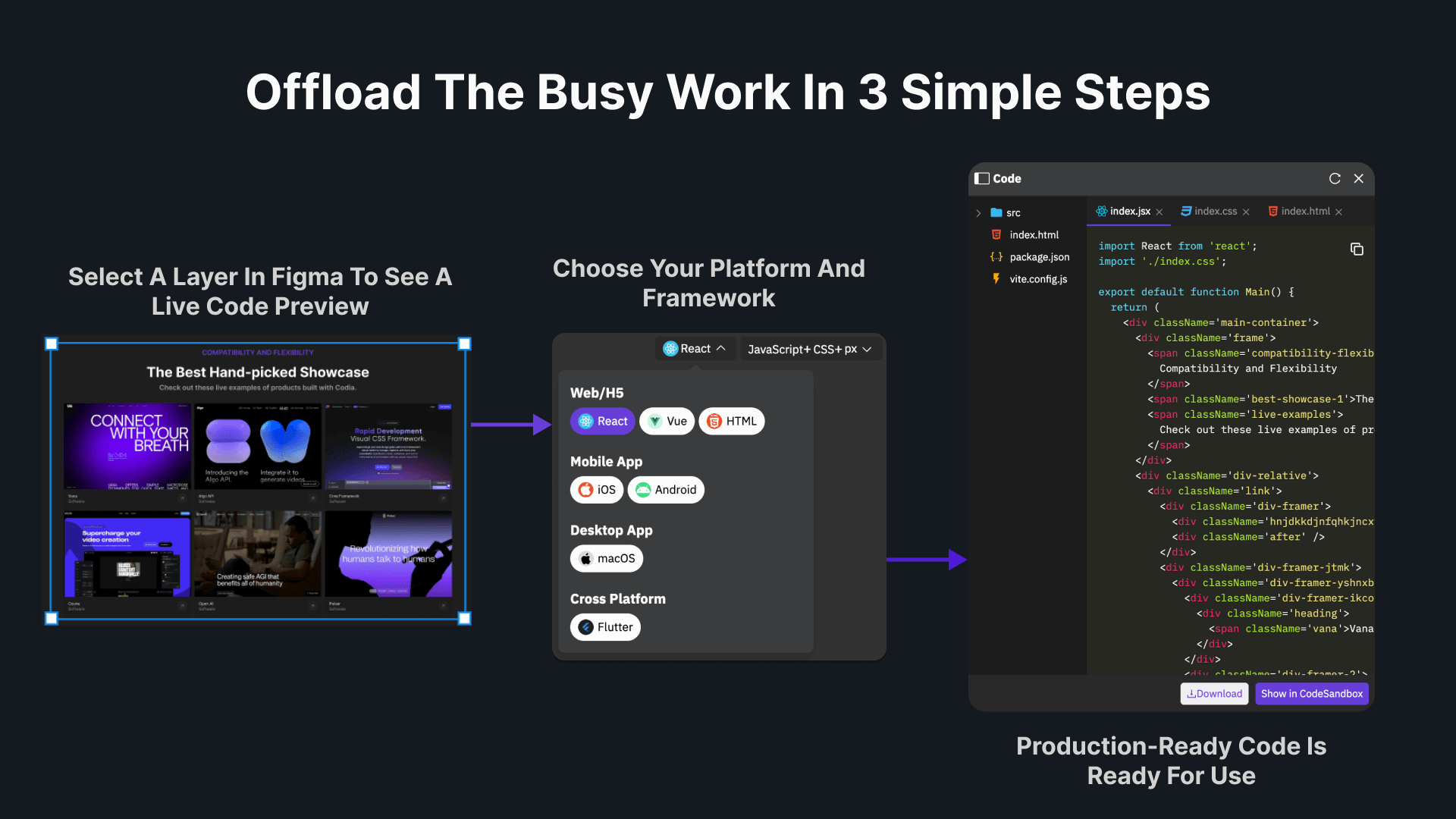
How AI Is Changing Coding
Artificial Intelligence is no longer just a feature inside apps it now helps build the apps themselves.
Developers now use AI to:
- Generate code automatically
- Detect bugs instantly
- Predict performance problems
- Create test cases automatically
- Optimize databases
Tools like AI coding assistants can reduce development time by 40% – 70%.
H3: AI Powered Testing and Debugging
The Emerging Technology Trends in Software Development now include automated QA testing. Instead of manual testing:
- AI scans thousands of user scenarios
- Finds vulnerabilities instantly
- Fixes syntax errors
- Suggests better algorithms
This reduces human error and increases software reliability.
Impact on Developers
Developers are not being replaced they are becoming solution architects instead of code typists.
Future developers will focus more on:
- Problem solving
- System design
- AI supervision
- Logic building
Cloud Native Development and Serverless Architecture

4
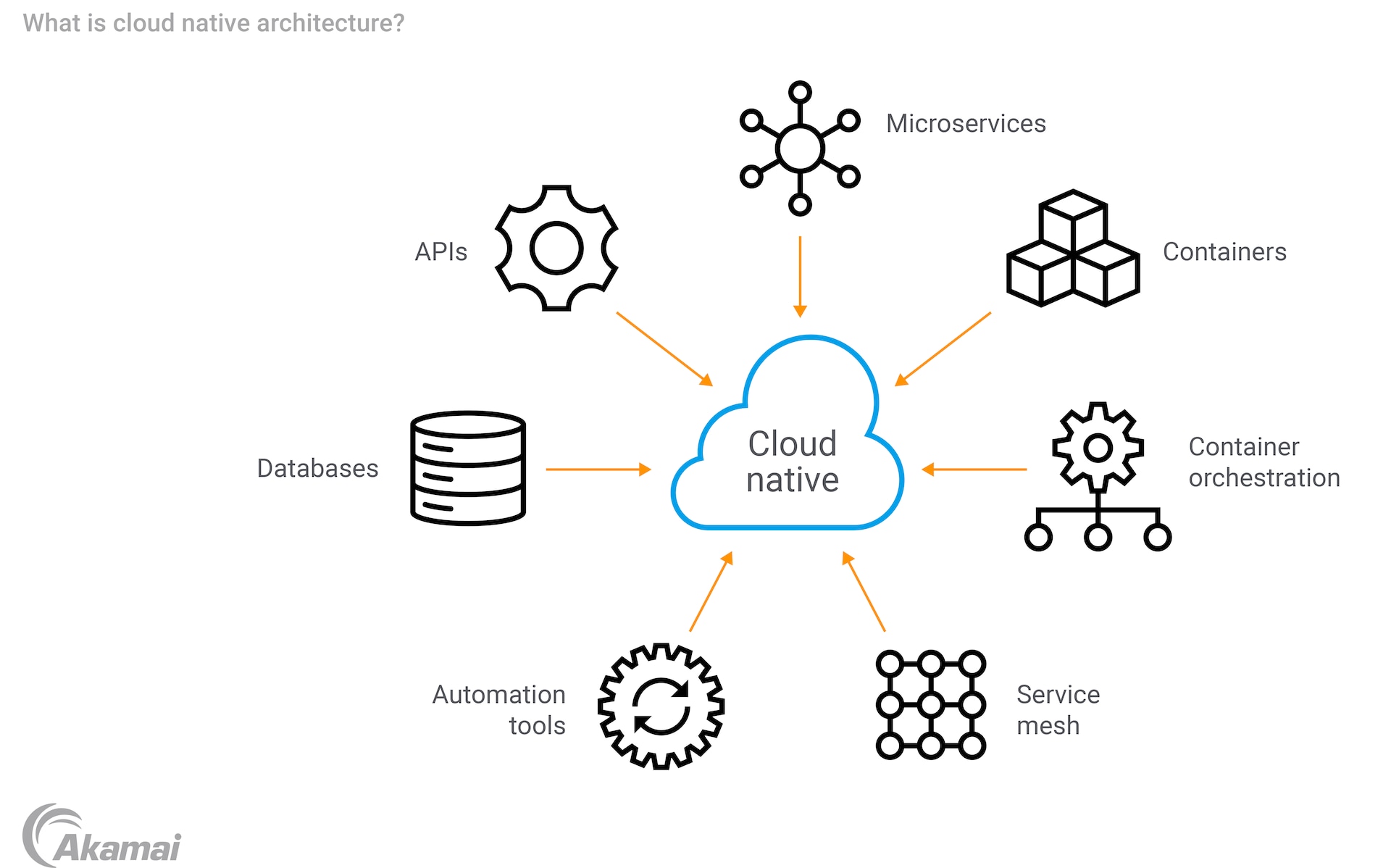
Modern software no longer lives on a single server. Applications are distributed across global infrastructure.
What Is Cloud Native Development?
Cloud-native apps are designed to run on cloud infrastructure from the beginning. They use:
- Containers
- Microservices
- APIs
- Continuous deployment
Instead of updating entire applications, developers update small components independently.
H3: Serverless Computing
Serverless does NOT mean no servers it means developers don’t manage servers.
Benefits:
- Pay only when code runs
- Automatic scaling
- No downtime
- Faster deployment
The Emerging Technology Trends in Software Development show that serverless will dominate startups and SaaS platforms because it reduces infrastructure cost dramatically.
Web3 and Blockchain Based Applications

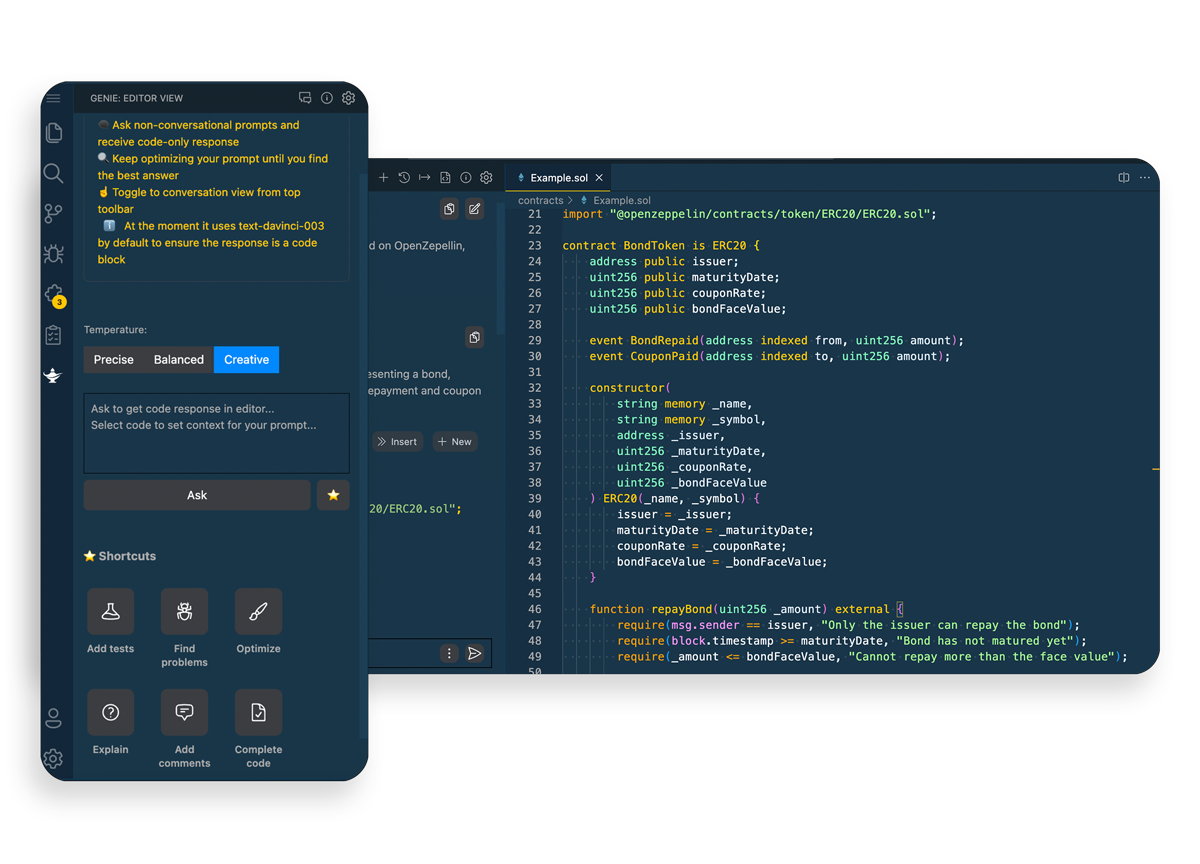
The internet is evolving from platforms owning data → users owning data.
Decentralized Applications (DApps)
DApps run on blockchain networks instead of central servers.
They provide:
- Ownership of digital assets
- Transparent transactions
- Tamper-proof records
- Secure identity systems
H3: Smart Contracts
Smart contracts automatically execute agreements when conditions are met.
Example uses:
- Online payments
- Land ownership systems
- Supply chain tracking
- Digital contracts
Because of trust and transparency, blockchain is one of the strongest Emerging Technology Trends in Software Development.
External reference: https://ethereum.org/en/developers/docs/
DevOps and Continuous Integration / Continuous Deployment (CI/CD)
What Is DevOps?
DevOps connects development and operations teams so software can be released continuously instead of occasionally.
Traditional development:
Build → Test → Wait → Fix → Deploy (months)
Modern DevOps:
Code → Test → Deploy → Monitor (minutes)
H3: Automation Pipelines
CI/CD pipelines automatically:
- Test code
- Scan security issues
- Deploy updates
- Rollback failures
Benefits:
- Faster releases
- Fewer crashes
- Higher reliability
This trend is critical in the Emerging Technology Trends in Software Development because users expect apps to update frequently.
Low Code and No Code Development
Companies now build software without traditional programming.
Why It’s Growing Fast
Businesses need software quickly but developers are limited.
Low-code platforms allow:
- Drag and drop interfaces
- Automatic database creation
- Visual workflows
- Rapid prototyping
H3: Impact on the Industry
Developers will not disappear instead they will:
- Build advanced systems
- Integrate platforms
- Customize business logic
Low code builds the foundation; developers build the intelligence.
Cybersecurity First Development
Security is no longer an afterthought. It is part of development from day one.
Secure Development Lifecycle
Developers now integrate:
- Encryption
- Authentication systems
- Secure APIs
- Penetration testing
H3: Zero Trust Architecture
Zero Trust means:
Never trust any request automatically always verify.
The Emerging Technology Trends in Software Development now require security inside every layer of software architecture.
Internet of Things (IoT) Software Integration
Software is now controlling physical devices:
- Smart homes
- Wearables
- Agriculture sensors
- Medical equipment
Edge Computing
Instead of sending data to cloud first, devices process data locally.
Benefits:
- Faster response
- Less bandwidth usage
- Better reliability
Progressive Web Applications (PWAs)
PWAs behave like mobile apps but run in browsers.
Advantages:
- Install without Play Store
- Work offline
- Very fast loading
- Cross-platform
Many companies now prefer PWAs over native apps due to lower cost and easier maintenance.
Quantum Computing (Future Impact)
Still developing but extremely powerful.
Future capabilities:
- Drug discovery
- Weather prediction
- Complex simulations
- Advanced encryption breaking
Developers will need entirely new programming models in coming years.
Skills Developers Must Learn in 2026
To stay relevant in the era of Emerging Technology Trends in Software Development, developers should learn:
- Cloud platforms (AWS, Azure, GCP)
- API architecture
- AI integration
- Security engineering
- System design
- Containerization
- Automation pipelines
Coding alone is no longer enough understanding systems is now essential.
Future of Software Development Careers
The future developer roles:
| Old Role | New Role |
|---|---|
| Programmer | Solution Engineer |
| Tester | Automation Engineer |
| Admin | Cloud Architect |
| Analyst | Data Intelligence Specialist |
Software development is becoming multidisciplinary.
FAQs
What are emerging technology trends in software development?
They include AI coding, cloud native apps, DevOps automation, Web3, cybersecurity, and low-code platforms transforming how software is built.
Will AI replace software developers?
No. AI assists developers by automating repetitive work. Developers will focus more on architecture and problem solving.
Which technology should beginners learn first?
Start with:
- Programming fundamentals
- Git
- Cloud basics
- APIs
Then move into AI or DevOps.
Is blockchain important for normal developers?
Yes. Even if you don’t build crypto apps, concepts like decentralized identity and secure transactions are becoming mainstream.
Why is DevOps important today?
Because modern software requires continuous updates. DevOps allows safe and fast releases.
Further Thought
The landscape of software development is evolving faster than ever, and staying updated on technology trends is essential. Indeed, from AI-assisted coding and low-code platforms to cloud-native applications and containerization, modern trends are reshaping how developers create, test, and deploy software. Moreover, adopting these innovations allows teams to reduce development time, improve collaboration, and deliver higher-quality products.
Consequently, organizations that proactively integrate emerging tools and methodologies gain a competitive edge. Furthermore, embracing continuous learning and experimentation ensures developers and businesses remain agile in a rapidly changing environment. Ultimately, technology trends are not just optional enhancements they are vital drivers of efficiency, creativity, and long-term success in software development.
Conclusion
The emerging technology trends in software development are reshaping how software is created, delivered, and maintained. Indeed, the future belongs to developers who understand not only syntax but also systems, automation, and intelligence. Moreover, modern software development is shifting from simply writing instructions to designing intelligent ecosystems that can adapt, learn, and integrate seamlessly across platforms.
As a result, businesses that embrace these trends will scale faster, improve efficiency, and stay competitive. Meanwhile, developers who adopt these skills will remain highly valuable in a rapidly changing job market. Conversely, those who ignore these changes may struggle to keep up in the coming decade.
Furthermore, technology is no longer evolving slowly; in fact, it is advancing daily, driven by innovations in AI, cloud computing, low-code platforms, and automated testing. Therefore, staying informed, continuously learning, and experimenting with emerging tools is no longer optional it is essential for anyone involved in software development today.