Modern networking technology
What Is Modern Networking Technology?
Modern networking technology refers to advanced methods, tools, and systems that enable digital devices, servers, and applications to communicate with each other efficiently and securely. Unlike traditional networking, which relied on simple Ethernet cables, routers, and LANs, modern networking embraces wireless technologies, cloud integration, virtualization, and intelligent management systems.
Networking today is not just about connecting devices it’s about optimizing performance, improving security, supporting massive data flows, and enabling innovation. From 5G enabled smartphones to edge computing in industrial IoT, networking technology ensures connectivity is reliable, scalable, and adaptable.
Key Characteristics
- High-speed connectivity: Enables rapid data transfer across multiple platforms.
- Scalability: Supports growing networks without significant infrastructure changes.
- Security: Advanced encryption and authentication methods protect sensitive information.
- Integration: Seamlessly connects cloud services, IoT devices, and enterprise systems.
Key Components of Modern Networking Technology
Several technologies combine to form the foundation of modern networking. Understanding these components helps businesses and IT professionals make informed decisions.
High-Speed Internet and Fiber Optics
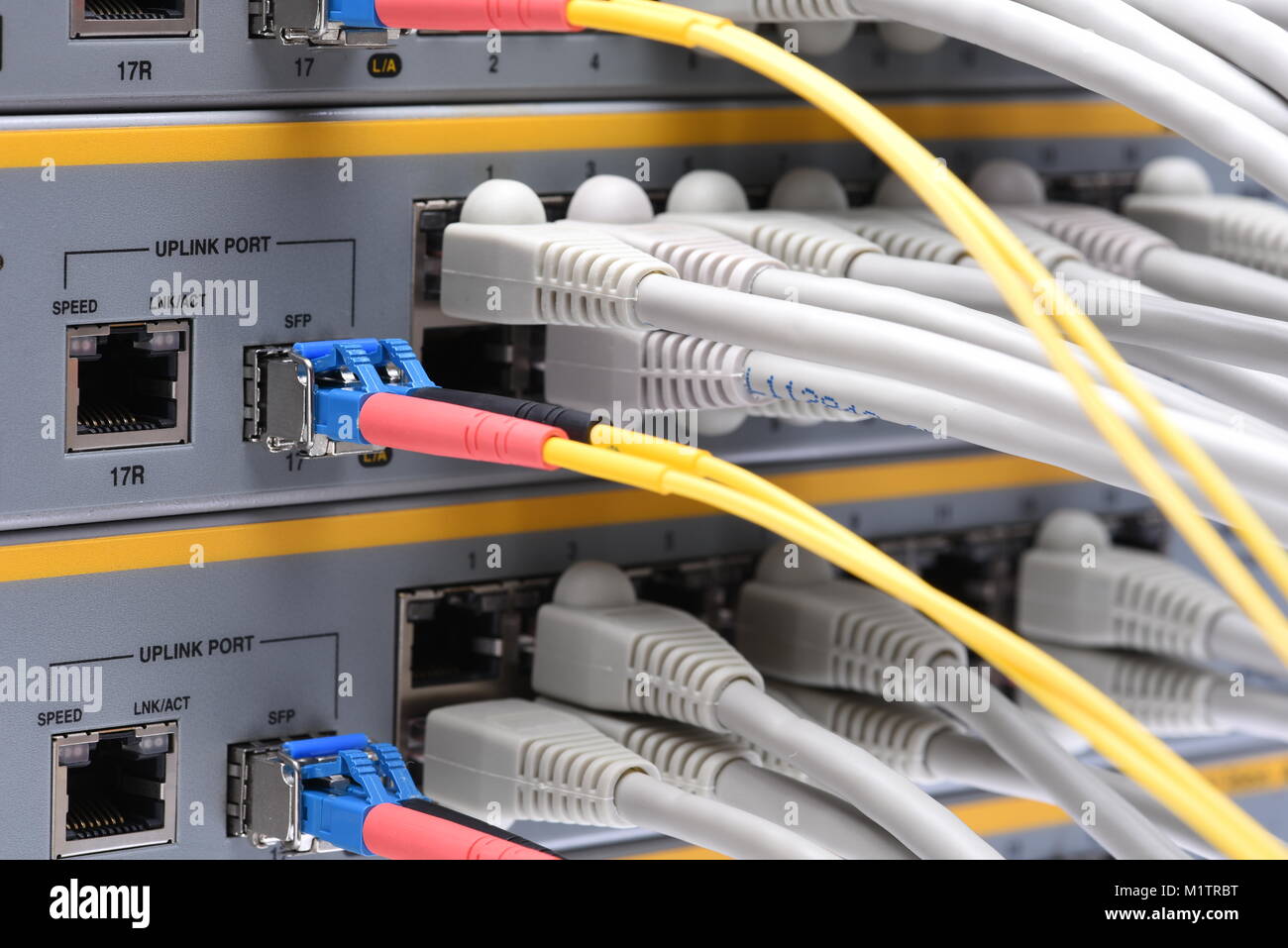
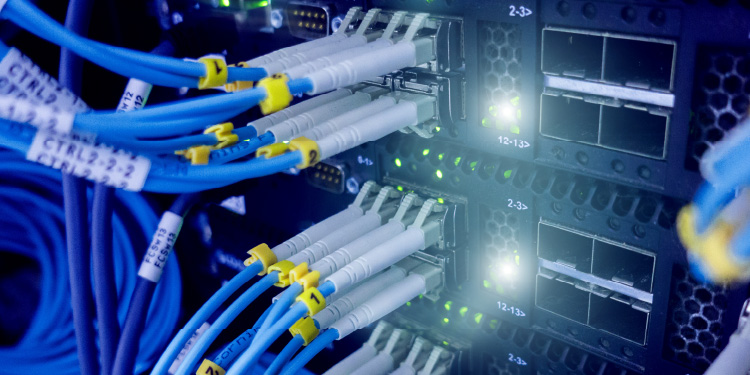
High-speed internet is essential for networking technology. Fiber-optic connections have replaced traditional copper wires in many regions, offering faster data transfer, lower latency, and higher reliability. Fiber networks enable organizations to operate large-scale data centers, support remote employees, and deliver cloud services efficiently.
Wireless Networks: Wi-Fi 6, 5G, and Beyond
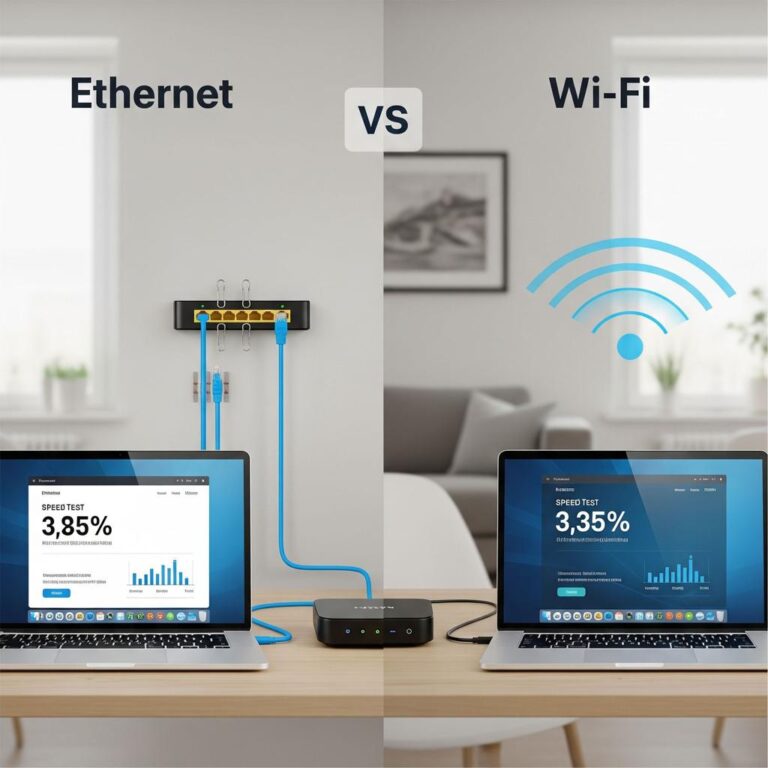
Wireless technologies are at the heart of modern networking technology. Wi-Fi 6 enhances wireless connectivity for homes and enterprises, offering higher speeds, lower latency, and better support for multiple devices. Meanwhile, 5G networks are transforming mobile communications, enabling real-time applications like autonomous vehicles, AR/VR experiences, and remote healthcare solutions.
Software-Defined Networking (SDN) and Network Virtualization
Software defined networking (SDN) and virtualization allow IT teams to manage networks more flexibly. Instead of relying solely on physical hardware, SDN separates control and data planes, enabling dynamic network adjustments. Virtual networks make it possible to deploy services quickly, optimize resource usage, and improve disaster recovery capabilities.
Edge Computing and IoT Connectivity
Edge computing brings computation closer to data sources, reducing latency and improving performance for IoT devices. Modern networking technology supports this by enabling secure, high-speed communication between sensors, gateways, and cloud servers. Applications include smart factories, autonomous vehicles, and healthcare monitoring systems.
Benefits of Modern Networking Technology
Modern networking technology provides a wide array of advantages across industries and daily life.
Faster Data Transmission
High speed networks enable real-time communication and instant access to information. Businesses can transfer large datasets, stream media, and operate cloud-based applications efficiently.
Improved Security and Reliability
Encryption, authentication, and network monitoring protect sensitive information from cyber threats. Modern networking technology ensures that critical systems remain operational, even during peak traffic or disruptions.
Seamless Cloud and Remote Access
Cloud computing relies heavily on robust networking infrastructure. Modern networks allow employees to access corporate resources from anywhere, supporting remote work and global collaboration.
Supports AI, IoT, and Enterprise Applications
From AI-driven analytics to IoT devices, modern networking technology ensures connectivity, scalability, and real-time processing. Organizations can innovate without being limited by network bottlenecks.
Challenges in Modern Networking Technology
While the benefits are significant, networking technology faces challenges that organizations must address.
Cybersecurity Threats
Increasing network complexity introduces potential vulnerabilities. Hackers may target network devices, cloud servers, or IoT endpoints, making robust cybersecurity measures essential.
Infrastructure Costs and Upgrades
Building and maintaining high speed networks, deploying SDN, or upgrading wireless technology requires substantial investment. Smaller organizations may struggle to implement cutting-edge solutions.
Complexity of Managing Hybrid and Multi Cloud Networks
Organizations often use a combination of on-premise, cloud, and edge networks. Managing these hybrid systems efficiently requires skilled professionals and advanced management tools.
Future Trends in Networking Technology
Continues to evolve rapidly. Staying informed about emerging trends ensures organizations remain competitive and technologically agile.
6G and Next-Generation Wireless
6G networks promise ultra-high-speed connections, extremely low latency, and support for trillions of connected devices, expanding possibilities for AR, VR, and AI-driven applications.
AI-Driven Network Management
Artificial intelligence will optimize network performance, predict failures, and automate troubleshooting, reducing human intervention and operational costs.
Quantum Networking
Quantum networking may redefine security and data transfer, enabling ultra-secure communication and faster computation for specialized applications.
Sustainable and Energy Efficient Networks
As networks grow, energy consumption becomes a concern. Innovative designs, renewable energy integration, and energy-efficient hardware are shaping the future of sustainable networking.
Frequently Asked Questions (FAQs)
Q1: What is modern networking technology?
A: Modern networking technology refers to advanced systems and methods that connect devices and networks efficiently, securely, and at high speeds, supporting cloud computing, IoT, and enterprise applications.
Q2: Why is modern networking technology important for businesses?
A: It enables faster data transfer, seamless remote access, secure communication, and supports advanced technologies like AI and IoT.
Q3: What are examples of modern networking technology?
A: Key examples include fiber optic networks, Wi-Fi 6, 5G, SDN, network virtualization, edge computing, and IoT connectivity.
Q4: How can organizations ensure security in modern networking technology?
A: By implementing strong encryption, network monitoring, multi-factor authentication, and cybersecurity best practices across all devices and endpoints.
Q5: Where can I learn more about networking innovations?
A: For in-depth research and updates, you can visit MIT Technology Review to explore the latest technology innovations.
Further thoughts
Modern networking has evolved far beyond just making sure your Wi-Fi reaches the bedroom. It has shifted from simple connectivity to active intelligence. In the past, networks were passive; they just moved data. Today, however, they are becoming “self-healing” systems that can predict outages before they happen and automatically reroute traffic to keep things seamless.
Why This Matters for Us
- Zero Latency: Technologies like Edge Computing bring processing power closer to you, making virtual interactions feel as real as face-to-face ones.
- Invisible Security: With the rise of Zero Trust, security is becoming baked into the connection itself, rather than being an annoying afterthought.
- Green Tech: Modern hardware is finally focusing on energy efficiency, ensuring our digital growth doesn’t come at a massive environmental cost.
The Human Bottom Line
Ultimately, the goal of these technical leaps isn’t just “faster internet.” It’s about creating a world where technology disappears into the background, allowing us to focus on the human connection it provides. Consequently, as the hardware gets smarter, our digital lives become more effortless.
Conclusion
Modern networking technology is central to digital transformation, powering connectivity, innovation, and security across industries. From high-speed internet and fiber optics to AI-driven network management and edge computing, networking technology enables seamless communication and real-time processing for businesses and individuals alike.
While challenges such as cybersecurity, infrastructure costs, and network complexity exist, the benefits far outweigh the hurdles. Staying informed about trends like 6G, quantum networking, and energy efficient networks ensures organizations can innovate and remain competitive.
By understanding and investing in modern networking technology, businesses, governments, and individuals can harness its full potential driving innovation, supporting global connectivity, and shaping the future of IT.




4 Comments