
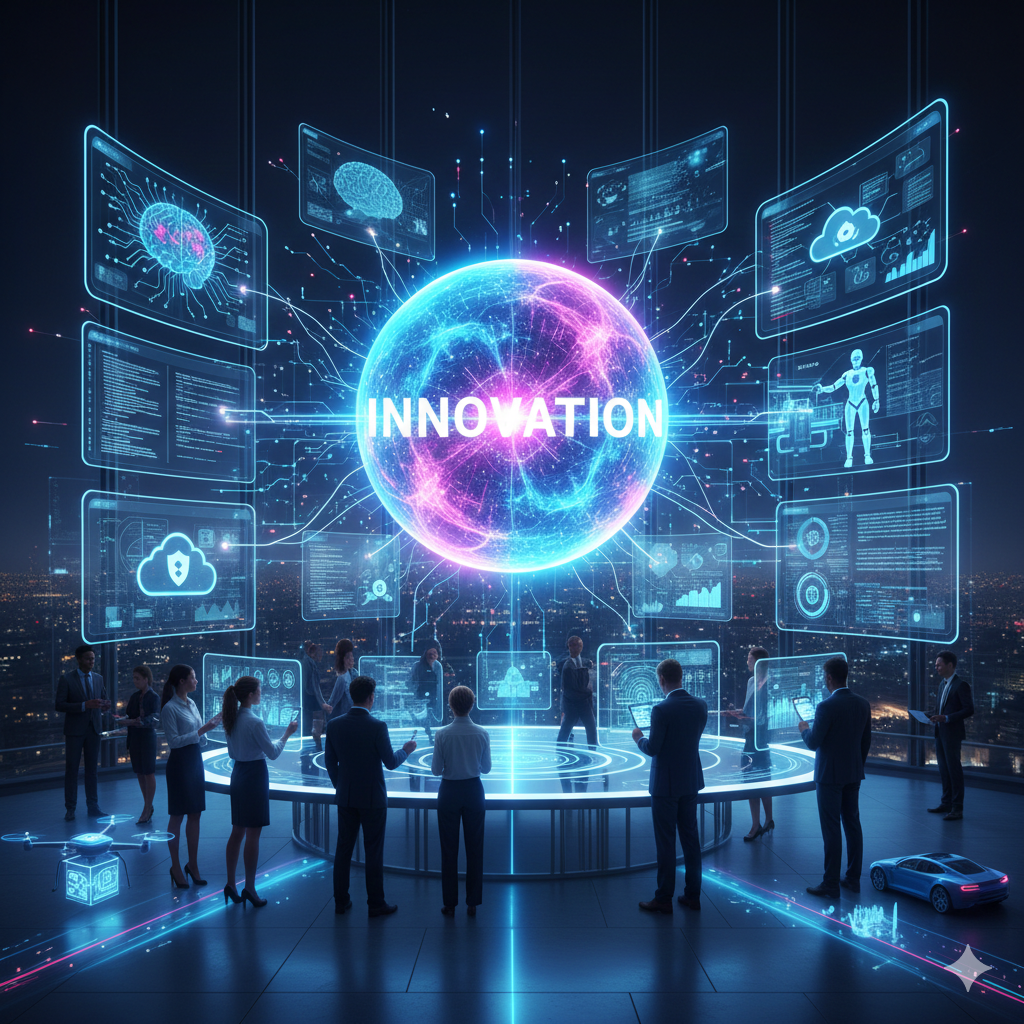
The Role of Innovation in Modern Technology
Innovation is the driving force behind modern technology. From smartphones to artificial intelligence, the continuous evolution of technology depends on creative ideas and innovative solutions that push the boundaries of what is possible. In today’s fast-paced digital world, businesses, governments, and individuals alike rely on the role of innovation in modern technology to enhance efficiency, solve complex problems, and transform industries.
Understanding the role of innovation in modern technology is essential for anyone involved in the IT sector, tech entrepreneurship, or even digital literacy. This article explores how innovation shapes technology, its impact on society, and why embracing it is critical for future progress.

What Is Innovation in Modern Technology?
Innovation in modern technology refers to the process of developing new ideas, methods, or products that improve existing systems or create entirely new technological solutions. Unlike simple invention, which introduces a concept or device, innovation focuses on practical application, scalability, and real-world problem-solving.
Types of Innovation
Innovation in technology can be broadly categorized into several types:
1. Incremental Innovation: Small, continuous improvements to existing technologies, such as software updates or improved smartphone cameras.
2. Disruptive Innovation: Groundbreaking technologies that redefine industries, like blockchain or electric vehicles.
3. Radical Innovation: Completely new concepts that create entirely new markets, such as the Internet or quantum computing.
4. Process Innovation: Enhancements in how technology is developed, delivered, or managed, including cloud computing and agile development methodologies.
By understanding these types, businesses and developers can identify opportunities for leveraging innovation to stay competitive and relevant in their respective markets.
Why Innovation in Modern Technology Matters
The importance of innovation in modern technology cannot be overstated. It drives economic growth, improves quality of life, and enables breakthroughs that were previously unimaginable.
Driving Economic Growth
Innovative technologies create new markets and job opportunities, contributing to economic expansion. For instance, the rise of mobile applications, e-commerce, and fintech platforms has fueled entrepreneurship and digital economies worldwide.
Enhancing Efficiency and Productivity
Modern innovations often focus on optimizing processes and reducing resource consumption. Artificial intelligence (AI) algorithms, for example, streamline data analysis, automate repetitive tasks, and enhance decision-making across industries.
Addressing Global Challenges
Innovation in technology also plays a crucial role in solving pressing global challenges. Renewable energy technologies, precision agriculture, and telemedicine are examples of innovative solutions addressing climate change, food security, and healthcare access.
Key Innovations Shaping Modern Technology
Several innovations have had a profound impact on technology today. Understanding these helps illustrate the practical role of innovation in modern technology.
Artificial Intelligence and Machine Learning
AI and machine learning are at the forefront of modern technological innovation. They enable machines to learn from data, identify patterns, and make intelligent decisions. Industries such as healthcare, finance, and transportation have been transformed by AI-driven predictive analytics, autonomous systems, and personalized services.
Internet of Things (IoT)
The Internet of Things connects everyday devices to the internet, allowing them to communicate, share data, and improve efficiency. Smart homes, industrial IoT, and wearable devices rely on innovation in modern technology to enhance convenience, safety, and performance.
Cloud Computing
Cloud computing has revolutionized the way businesses store, process, and manage data. By providing scalable and cost-effective solutions, cloud services have made advanced technology accessible to startups, small businesses, and even individual users.
Blockchain Technology
Blockchain introduces transparency, security, and decentralization in digital transactions. Innovations in this space go beyond cryptocurrencies, with applications in supply chain management, healthcare, and digital identity verification. to blockchain and cloud computing, innovation continues to shape both the present and the future of technology.
The Role of Innovation in Driving Business Success
Innovation is no longer optional for businesses it is essential. Companies that embrace innovative technologies gain competitive advantages and strengthen their market positions.
Improving Customer Experience
Businesses leverage innovation in modern technology to enhance customer satisfaction. Personalized recommendations, chatbots, and augmented reality (AR) experiences are just a few examples of how technology transforms customer interactions.
Streamlining Operations
Innovative tools such as robotic process automation (RPA), AI-driven analytics, and smart logistics systems help companies reduce operational costs, improve efficiency, and scale rapidly.
Enabling Agility and Adaptability
The digital landscape evolves rapidly, and businesses that integrate innovation into their strategies can adapt quickly to new trends, regulations, and customer expectations. Companies like Tesla and Amazon exemplify how innovation in technology fuels long-term growth.
Innovation in Modern Technology and Society
The influence of innovation extends far beyond business. It shapes culture, education, healthcare, and the way people interact globally.
Enhancing Education
Educational technology (EdTech) uses innovative tools like online learning platforms, virtual reality (VR) classrooms, and AI tutors to create personalized learning experiences. These innovations make education more accessible, interactive, and effective.
Transforming Healthcare
Innovation in healthcare technology has led to telemedicine, wearable health monitors, robotic surgeries, and AI diagnostics. These advancements improve patient outcomes, expand access to care, and reduce healthcare costs.
Promoting Connectivity and Communication
Social media platforms, messaging apps, and video conferencing tools are products of ongoing technological innovation. They connect people worldwide, foster collaboration, and enable knowledge sharing on an unprecedented scale.
Challenges to Innovation in Modern Technology
Despite its benefits, innovation in technology faces challenges that must be addressed to maximize impact.
High Costs and Resource Requirements
Developing and implementing new technologies often require significant investments in research, talent, and infrastructure. Small businesses or developing regions may struggle to keep pace with rapid innovation.
Ethical and Privacy Concerns
Technological innovations raise ethical questions and privacy risks. AI decision-making, data collection, and surveillance technologies demand careful regulation and responsible use to prevent misuse.
Rapid Obsolescence
The fast pace of innovation can render products and skills obsolete quickly. Continuous learning and adaptability are essential for both individuals and organizations to remain relevant.
The Future of Innovation in Modern Technology
Looking ahead, innovation will continue to shape the trajectory of technology, creating possibilities that were once thought impossible. Emerging areas such as quantum computing, augmented reality, biotechnology, and 6G connectivity promise to redefine industries and human experiences.
Collaborative Innovation
Future innovations will increasingly rely on collaboration between businesses, governments, universities, and individuals. Open-source platforms, hackathons, and global research partnerships accelerate technological progress by sharing knowledge and resources.
Sustainable and Inclusive Innovation
Modern innovation must address sustainability and inclusivity. Green technologies, renewable energy solutions, and affordable tech access are crucial for equitable progress and long-term viability.
Human Centered Innovation
While technology advances, human needs remain central. Innovations that prioritize user experience, accessibility, and societal benefit will define the next era of technological progress.
Frequently Asked Questions (FAQs)
Q1: What is the role of innovation in modern technology?
A: Innovation drives progress by creating new solutions, improving efficiency, and transforming industries like AI, IoT, and cloud computing.
Q2: How does innovation impact businesses?
A: It helps businesses improve customer experience, streamline operations, and adapt quickly to changing market trends.
Q3: What are examples of modern technological innovations?
A: Key examples include artificial intelligence, Internet of Things (IoT), blockchain, cloud computing, and virtual reality.
Q4: Why is innovation important for society?
A: Innovation enhances education, healthcare, communication, and sustainability, improving quality of life worldwide.
Q5: How can companies foster innovation in technology?
A: By investing in research, collaborating globally, adopting new tools, and encouraging creative problem-solving within teams.
Further Thought: Driving the Future Through Innovation
Innovation is not just a buzzword in technology; in fact, it is the engine that drives progress. While today’s devices and systems solve immediate problems, more importantly, the continual push for creative solutions shapes tomorrow. Emerging technologies such as AI, quantum computing, and advanced automation are redefining what is possible, therefore enabling smarter decisions, faster processes, and entirely new experiences for users.
Moreover, innovation fosters adaptability. Companies and individuals that embrace creative approaches can respond more effectively to challenges, from cybersecurity threats to climate-conscious tech development. Consequently, the role of innovation is not only to improve current solutions but also to anticipate needs before they arise, ensuring technology evolves in ways that are both practical and transformative.
Furthermore, as we move forward, the most impactful innovations will likely emerge at the intersections combining hardware, software, and human-centric design. Thus, staying curious, experimenting boldly, and thinking beyond conventional limits remain essential for anyone seeking to thrive in the modern tech landscape.
Conclusion
The role of innovation in modern technology is undeniable. Indeed, it drives economic growth, transforms industries, improves quality of life, and addresses global challenges. From AI and IoT to blockchain and cloud computing, innovation continues to shape both the present and the future of technology.
Moreover, for businesses, governments, and individuals, embracing innovation is essential for staying competitive, relevant, and capable of solving tomorrow’s challenges. As the pace of technological advancement accelerates, the ability to harness innovation will therefore determine success, growth, and sustainability in the modern digital world.
Consequently, by understanding and investing in innovation, we ensure that modern technology continues to evolve, empower, and enhance human life. Ultimately, staying proactive about innovation is key to unlocking the full potential of our digital future. For more information about innovation in modern technology, continue exploring our insights and guides.

One Comment